Let's connect

Want to discuss your project or have any questions?

Development in vitro DMPK services

Our service portfolio includes a comprehensive range of in vitro Drug metabolism and pharmacokinetics (DMPK) assays, delivering essential data for drug development. These assays facilitate a thorough understanding of a drug's absorption, distribution, metabolism and excretion (ADME), and interaction potential with drug-metabolising enzymes and transporters.
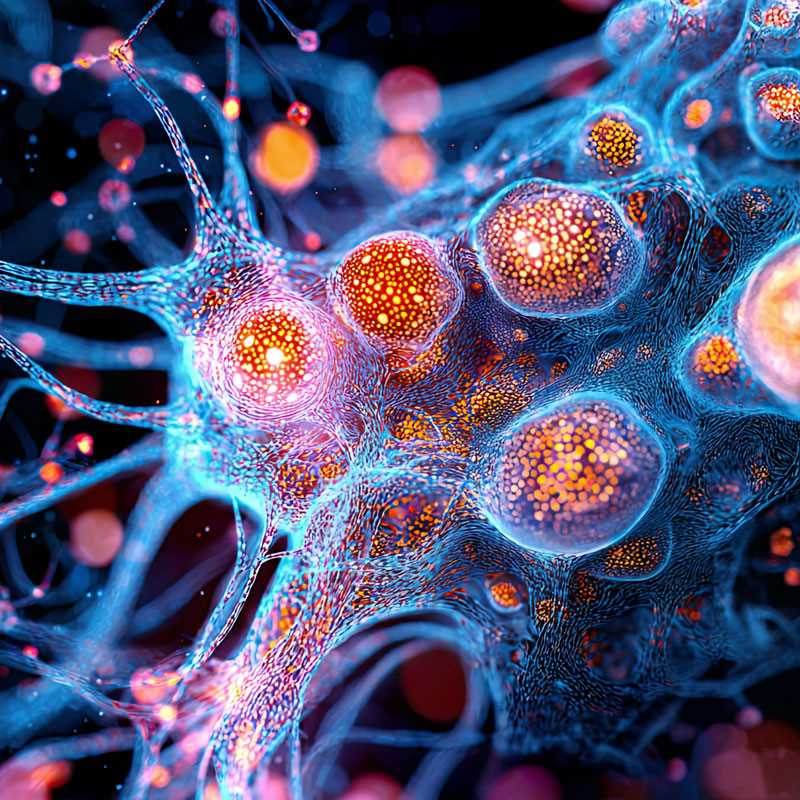
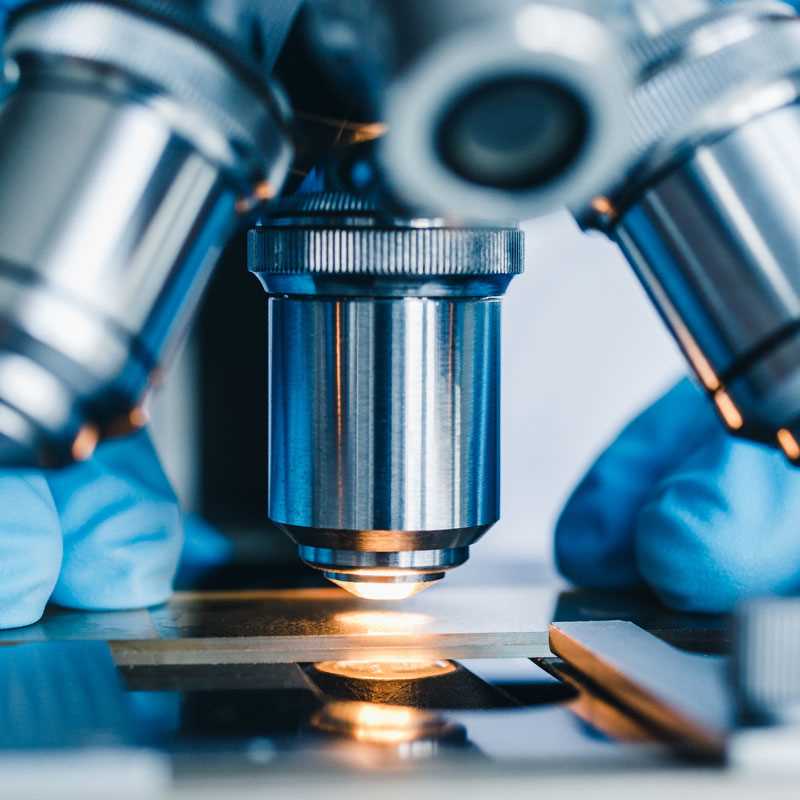
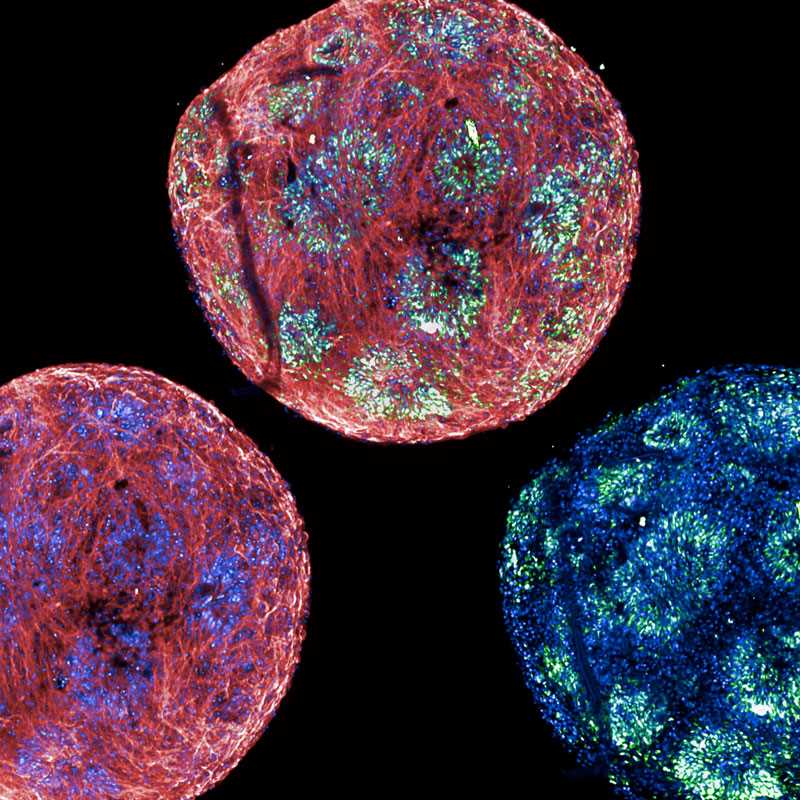
Histological section stained with IHC, showing respiratory or epithelial tissue

From candidate to clinic

We possess in-depth knowledge of global regulatory requirements and assist you in navigating the complexities of drug development in compliance with the latest guidelines. By working closely with you, we develop a strong understanding of your specific needs and design assays tailored to meet your project goals. 
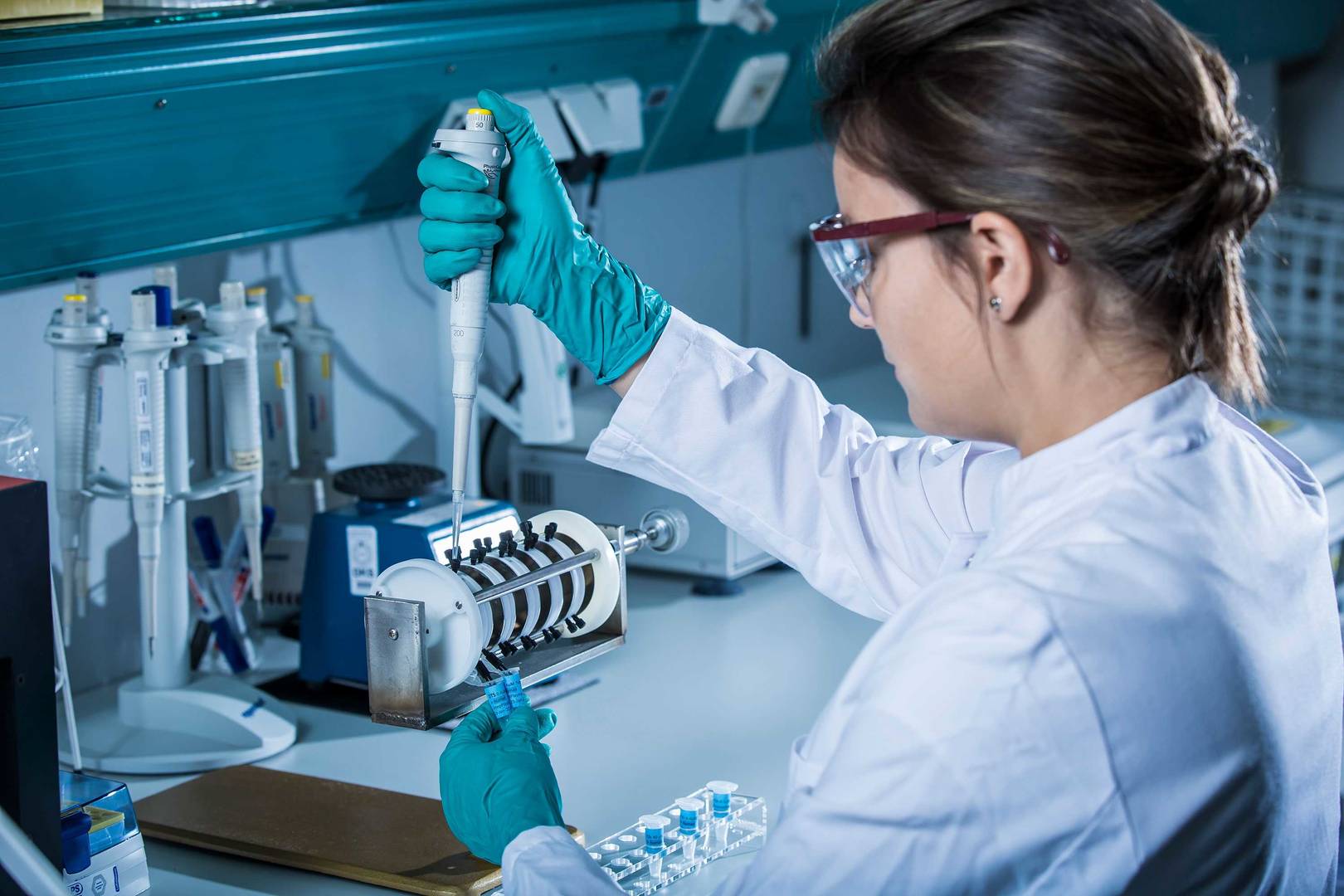
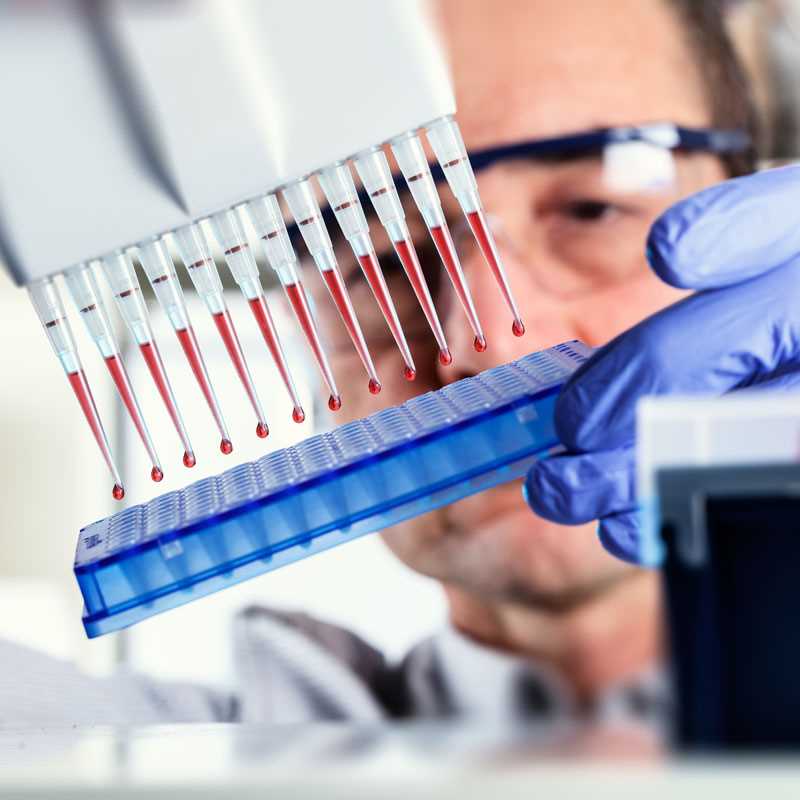
A scientist in a lab coat examines two vials while using a micropipette for precise liquid measurement.

Expert regulatory in vitro DMPK services

Nuvisan’s in vitro DMPK assays are designed to meet regulatory expectations, providing critical data on the pharmacokinetic properties of your drug candidate. Toxicokinetic studies are essential before exposing human subjects to a new investigational drug in a first-in-human (FiH) clinical trial. 

We determine in vitro metabolism to support or confirm the selection of appropriate toxicity species and assess the plasma protein binding of the drug candidate in both humans and animals. These regulatory-compliant assays aid in the non-clinical safety evaluation. 

Depending on the available data, we can also support these studies with relevant in vitro and/or in vivo pharmacokinetic (PK) assessments, such as intrinsic clearance and PK in rodent and non-rodent species, if needed. This enables the prediction of human pharmacokinetics to justify starting doses and potential dose escalation in FiH trials. 

In vitro investigations of drug–drug interactions (DDIs), particularly related to cytochrome P450 (CYP) enzymes, are strongly recommended for FiH trials in patients. These studies guide participant selection, concomitant medications and define inclusion and exclusion criteria.

Our in vitro DMPK services include assays for: 

Frequently asked questions (FAQs)

  • What is the relevance of plasma protein binding (PPB)?
    PPB describes the extent to which a drug associates with proteins in the blood. Only the unbound, or free, fraction can cross biological membranes to exert pharmacological or toxicological effects. PPB is therefore an important determinant of a drug’s pharmacokinetics, efficacy and safety profile. Understanding PPB in development helps predict a drug’s therapeutic window, inform dosing strategies and support in vitro-in vivo extrapolation (IVIVE) of clearance.
  • When is an in vitro drug–drug interaction (DDI) study required by the FDA or EMA?

    A DDI study investigates whether a drug candidate affects the pharmacokinetics of co-administered medicines through inhibition or induction of drug-metabolising enzymes or transporters. DDI studies are strongly recommended by regulatory agencies such as the FDA and EMA before first-in-human trials, especially in patient populations likely to receive concomitant medication or liquid nutritional support. In drug development, DDI studies become particularly relevant where the following apply:

    • the intended patient population is likely to use multiple medications
    • the route of administration could increase the risk of interaction
    • the drug is likely to be prescribed for longer treatment periods.
  • Which regulatory guidelines govern in vitro drug–drug interaction (DDI) studies?

    Key guidance documents include:

    • ICH M12 (2024), the harmonised international guideline for drug interaction studies, replacing earlier FDA and EMA region-specific guidance
    • FDA guidance on drug interaction studies (2020)
    • EMA guideline on the investigation of drug interactions (2013), currently being updated in line with ICH M12.
    • Nuvisan’s DDI assays are designed to comply with all applicable regulatory requirements, and our scientists can advise on study design, data interpretation and how results fit into an overall regulatory strategy.
  • What is metabolic stability and why is it important?
    Metabolic stability, often expressed as intrinsic clearance (CLint), describes how rapidly a drug is transformed by metabolic enzymes and is a key determinant of half-life, oral bioavailability and dose requirements. 

    For metabolites, metabolic stability helps identify both the extent and rate of biotransformation and can support understanding of whether a metabolite is likely to circulate in vivo before further metabolism or excretion. 

    Measuring metabolic stability in discovery helps identify and optimise metabolically labile structural features before advancing compounds into development. Combined with plasma protein binding and blood-to-plasma ratio data, it supports a more complete picture of compound behaviour and helps predict in vivo pharmacokinetics. 

Contact us

Nuvisan is committed to protecting your privacy, and we'll only use your personal information to administer your account and to provide the products and services you requested from us. If you consent to us contacting you for this purpose, please tick below to say how you would like us to contact you:
You can unsubscribe from these communications at any time. For more information on how to unsubscribe, our privacy practices, and how we are committed to protecting and respecting your privacy, please review our Privacy Policy.

Talk to us

talk icon
+49 731 9840 0 

Our locations

location icon

Neu-Ulm (headquarters)

Wegenerstrasse 13

89231 Neu-Ulm

Germany

Berlin

Muellerstrasse 178

13353 Berlin

Germany

Sophia Antipolis

2400 route des Colles

06410 Biot

France

Grafing

Am Feld 32

85567 Grafing

Germany

Waltrop

Im Wirrigen 25

45731 Waltrop

Germany

For concerns about pharmaceuticals or adverse drug-related events, contact us at: complaints@nuvisan.com