Let's connect

Want to discuss your project or have any questions?

Integrated dermatology solutions

Comprehensive dermatology solutions for drug development 

As an established and innovative CRO, enriched by the pharmaceutical heritage of leading dermatology companies, our team offers integrated services across the entire drug discovery and development value chain to support your dermatology R&D projects. These capabilities provide a unique and comprehensive opportunity for successful program execution. We leverage our expertise and technical know-how to develop highly potent drug substances across multiple therapeutic areas, as well as drug products for dermatological applications. 

Young woman with mosaic honeycombs on face

From inception to phase 2 

Our dermatology capabilities span from inception to research and phase 2 supplies, offering flexible approaches for start-ups, biotechs and large pharmaceutical companies. Our integrated expertise and patient-centric approach enable the development of disease-adapted formulas that accommodate the unique characteristics of each compound. 

Clinical Operations team discussing clinical trial related planning

Drug discovery capabilities

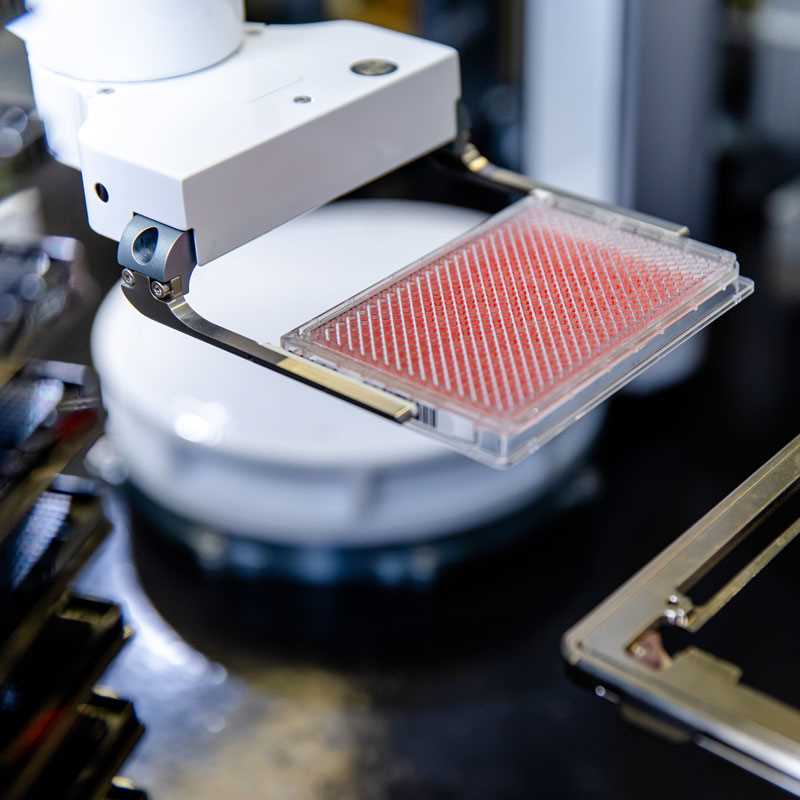
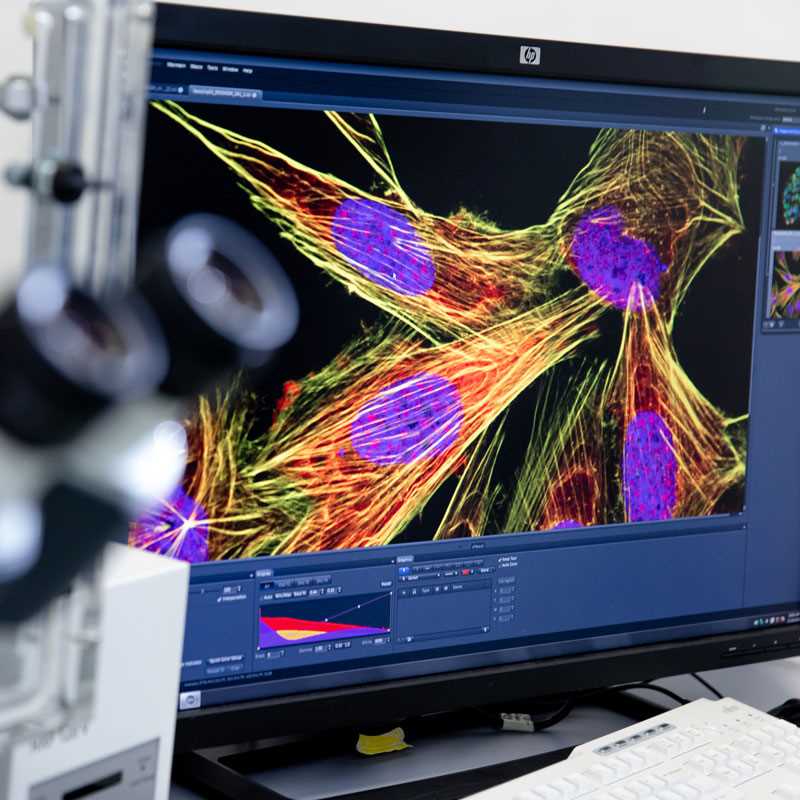
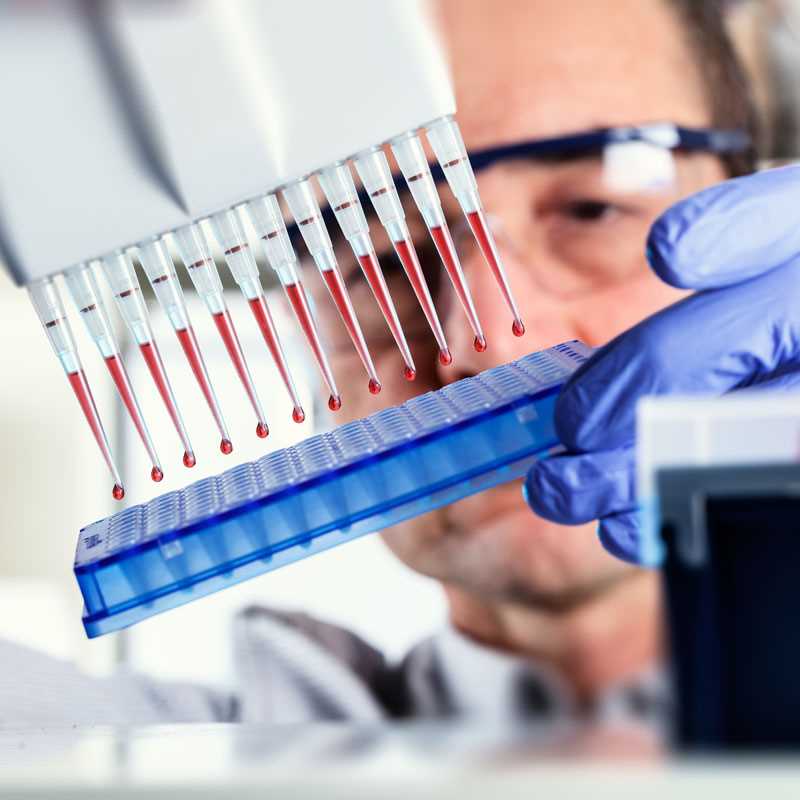
Our services are built around human-relevant models that offer insights at every stage of your research, from high-throughput screening of up to 150,000 compounds per day to detailed biochemical, biophysical and cellular assays. Our discovery teams deliver robust and reliable data, from ex vivo human skin explants for translational pharmacological testing to in vivo skin irritation and inflammation models for preclinical evaluation. Additionally, our in vitro assays enable detailed investigations into cellular behaviors such as migration, proliferation and skin repair. Whether testing single compounds or complex combinations, we accommodate a range of application procedures, enabling precise evaluation of your targets and substances.  
 
Our cross-functional team of DMPK and toxicology experts helps ensure seamless hit-to-lead conversion and lead optimisation by offering preclinical in vitro and in vivo tools for pharmacokinetics (PK) and toxicology evaluation, along with efficacy models for inflammatory and non-inflammatory skin diseases. In vitro permeation testing (IVPT) using human skin explants guides formulation and dosage choices early in the discovery phase. Our DMPK services provide comprehensive insights into the absorption, distribution, metabolism and excretion (ADME) of dermatological compounds. We assess tissue binding, penetration and stability with specialised in vitro models, while in vivo studies support PK profiling and effective dosing strategies. 

Our toxicology expertise helps ensure the safety and regulatory compliance of your products. We utilise a full suite of in vitro and in vivo models to assess dermal toxicity, irritation, sensitisation and phototoxicity in house or via a strategic partner. Advanced histopathological evaluations and biomarker analyses enhance the reliability of our safety data. Tailored studies address systemic exposure concerns, to help ensure your compounds meet the highest safety standards for regulatory submissions and risk assessments.  

LEARN MORE

Topical drug development – from drug substance to drug product 

Comprehensive dermatological drug development 
At Nuvisan, we provide end-to-end drug development solutions to transform your API into an effective topical therapeutic. Our expertise spans every stage, from initial concept to clinical trials, enabling a seamless transition from discovery to market. 

Chemical development and GMP manufacturing 
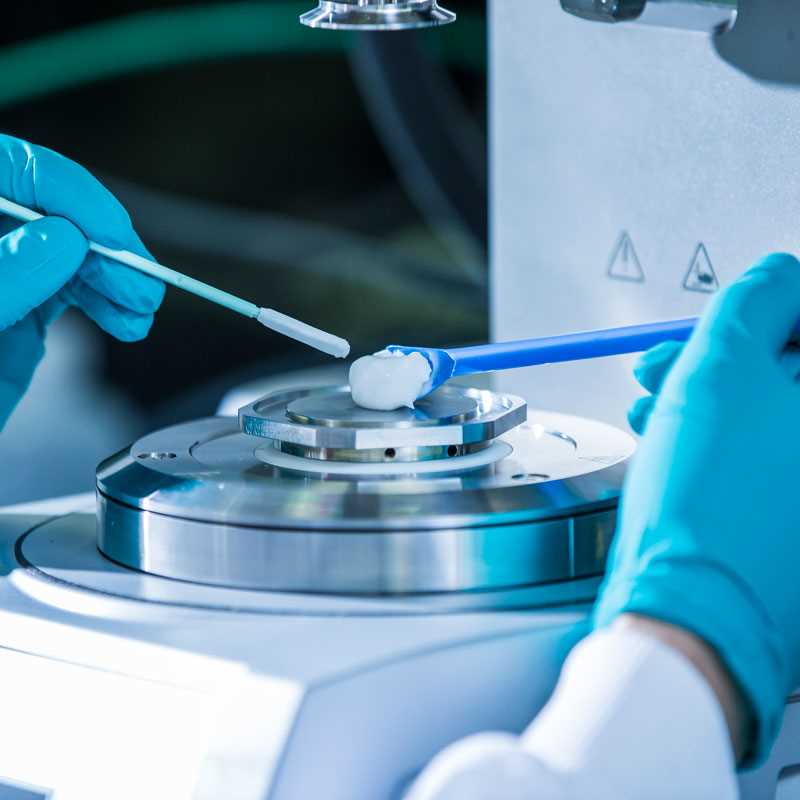
Our chemical development team specialises in route scouting and GMP-certified API manufacturing (1–10 kg) for toxicological and clinical studies. By closely collaborating with our formulation scientists, we optimise preformulation with advanced techniques such as XRPD, NMR, DSC, HPLC-UV and UPLC-UV, assessing polymorphism, solubility, compatibility and sensitivity. This integrated approach provides a robust foundation for the development of your drug product. 

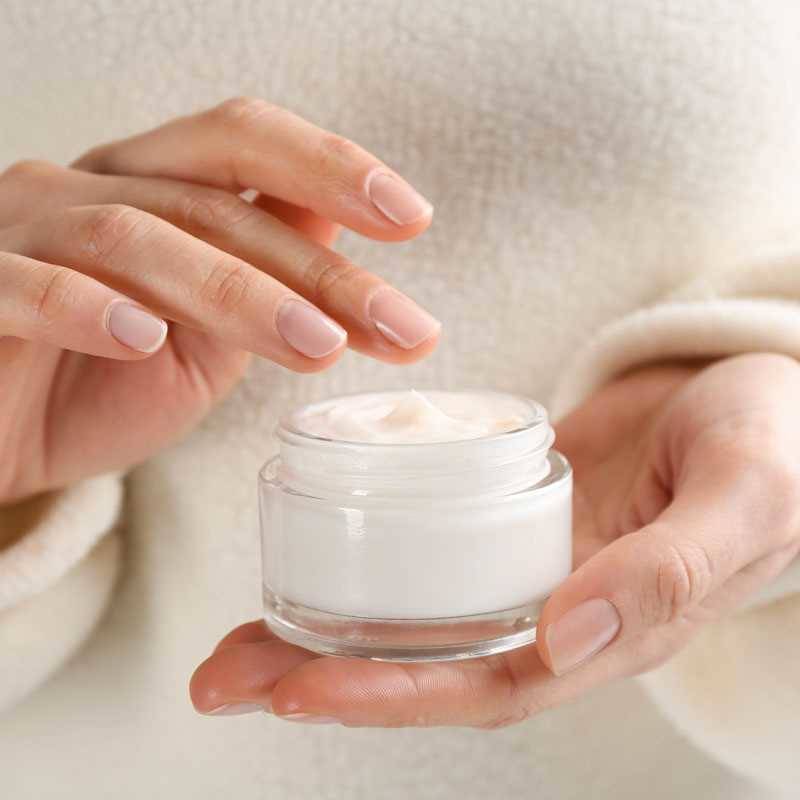
Innovative topical formulation development 
We start with your target product profile (TPP) and in-depth preformulation data to design and screen multiple formulation concepts. Our approach includes: 

  • Skin permeability testing: IVPT to evaluate effective delivery
  • Stability and sensory analysis: comprehensive chemical, physical and microbiological stability assessments, as well as microstructure characterisation and sensory evaluation
  • Local tolerance studies: helping ensure well-tolerated, effective formulas tailored to your compound’s specific needs. 

GMP manufacturing for clinical trials 
Once an optimal formula is identified, we produce GMP-quality topical drug products at a 10–50 kg scale, supporting regulatory toxicology and phase 1 and 2 clinical trials. Our clinical trial supply chain includes handling packaging, labelling and delivery to clinical sites, all fully compliant with EMEA/FDA standards. 

Early clinical trials and expert research facility 
Our state-of-the-art research hospital in Neu-Ulm, Germany, is equipped for early-phase clinical trials, including: 

  • First-in-human (FIH) studies 
  • PK and pharmacodynamic (PD) studies 
  • Safety and tolerance evaluations. 

We have extensive experience managing complex studies, particularly for biologics, biosimilars and innovative drug modalities. 

Accelerate your dermatological drug development 
Our integrated dermatology solutions are designed to accelerate your drug development journey, helping you achieve proof-of-concept faster. Partner with us to bring your dermatological innovations to life. 

Frequently asked questions (FAQs)

  • Why is a Target Product Profile (TPP) essential in topical drug development?
    TPP defines the desired characteristics of a product for a specific condition and serves as an internal planning tool for research and development. It helps guide the development process through to regulatory submission by outlining the intended dosage form, safety profile, target patient population and site of application. Establishing a TPP early helps keep formulation screening focused on patient needs and development goals.
  • Which Active Pharmaceutical Ingredient (API) properties are most important for successful skin delivery?
    An API’s physicochemical properties strongly influence its ability to permeate the stratum corneum. Important factors include molecular weight, partition coefficient (logP), topological polar surface area (TPSA) and alignment with Lipinski-type rules. Preformulation studies help characterise these properties and support excipient selection to address delivery challenges.
  • How do you select the right excipients for a topical formulation?
    Excipient selection depends on the API’s solubility, compatibility and formulation requirements. Formulation design may involve solvents, penetration enhancers, emulsifiers, oils, lipophilic materials, polymers, preservatives and antioxidants to support skin delivery and product stability. Formulators must also consider restricted or unsuitable inactive ingredients to support regulatory compliance and patient safety. Early excipient selection is important because it can influence performance, stability and manufacturability.
  • What is the difference between in vitro release testing (IVRT) and in vitro permeation test (IVPT) in topical testing?
    IVRT measures the rate at which a drug is released from a formulation into a receptor medium, typically using a synthetic membrane in a Franz diffusion cell system. It is commonly used for formulation screening, generic product development, quality control and post-approval comparability.

    IVPT uses ex vivo human skin to assess the rate and extent to which a topically applied active substance becomes available in or near the site of action, while also providing information on dermal absorption, distribution and cutaneous pharmacokinetics, including flux profiles.
  • How does the specific skin condition influence the choice of a topical dosage form?
    The choice of topical dosage form should reflect both the target disease and the intended area of application. Different skin conditions create different formulation needs in terms of spreadability, residence time, tolerability and patient acceptability.

    For example, psoriasis often presents with dry, thickened, scaly and itchy plaques. In these cases, an emulsion such as a cream or lotion may be preferred because it can provide moisturising and emollient properties and can be applied more easily over larger areas. Foams or targeted sprays may be more suitable for scalp application.
  • What are the advantages of partnering with an integrated CRO/CDMO for topical drug development?
    An integrated partner can help reduce the operational gaps between discovery, formulation development and clinical manufacturing. When API synthesis, formulation development, bioanalysis and GMP clinical trial supply are managed within one organisation, teams can benefit from closer coordination, aligned quality oversight, reduced handovers and more efficient timelines. Integrated support may also include services such as QP release, depending on project needs.
  • How can topical formulation development support drug repurposing?
    Drug repositioning and life cycle management are important strategies in dermatology. An existing API can be developed into a new topical formulation that improves local tolerability, enhances skin delivery or supports use in a different dermatological indication. This may involve approaches such as polymer-stabilised emulsions, stable lipophilic foams or compositions with modified solubility or pharmacokinetic properties.
  • How are highly potent APIs handled in topical formulation development?
    Working with highly potent APIs requires appropriate containment, specialised facilities and strict safety procedures. High-containment infrastructure helps protect both personnel and product during preformulation, formulation development, analytical testing and GMP scale-up. These controls support safe handling and regulatory compliance throughout development and manufacturing.
  • How does early preformulation prevent downstream clinical failures?
    Preformulation studies assess the API’s solubility profile, excipient compatibility and sensitivity to factors such as oxidation and pH change. Identifying these risks early helps teams design formulations that better maintain potency, physical stability and product performance throughout shelf life. This can reduce the risk of later-stage formulation issues and development delays.

  • What makes Nuvisan’s Sophia Antipolis site well equipped for topical development?
    Nuvisan’s Sophia Antipolis site has longstanding experience in topical development and includes dedicated formulation laboratories for liquid and semi-solid dosage forms. The site supports activities from early prototyping through to GMP clinical trial manufacturing, including work with highly potent APIs. This allows formulation development and scale-up to be managed within one location.

Contact us

Nuvisan is committed to protecting your privacy, and we'll only use your personal information to administer your account and to provide the products and services you requested from us. If you consent to us contacting you for this purpose, please tick below to say how you would like us to contact you:
You can unsubscribe from these communications at any time. For more information on how to unsubscribe, our privacy practices, and how we are committed to protecting and respecting your privacy, please review our Privacy Policy.

Talk to us

talk icon
+49 731 9840 0 

Our locations

location icon

Neu-Ulm (headquarters)

Wegenerstrasse 13

89231 Neu-Ulm

Germany

Berlin

Muellerstrasse 178

13353 Berlin

Germany

Sophia Antipolis

2400 route des Colles

06410 Biot

France

Grafing

Am Feld 32

85567 Grafing

Germany

Waltrop

Im Wirrigen 25

45731 Waltrop

Germany

For concerns about pharmaceuticals or adverse drug-related events, contact us at: complaints@nuvisan.com