Our chromatography and mass spectrometry services offer accurate, reliable bioanalysis for clinical and preclinical projects. With expertise in small molecule analysis, we deliver robust results for drug development, supported by an extensive range of non-proprietary assays available for clinical studies. We also specialise in proteins, peptides and new modalities, helping ensure precise data for complex biomolecules. For elemental analysis, we partner with ALS to provide advanced techniques for trace element investigations, supporting your research with exceptional accuracy. Let us help drive your scientific success with our comprehensive bioanalytical solutions.
Nuvisan provides bioanalytical support across the drug development life cycle, from discovery through to phase 4. We support both small molecules and large molecules through GLP-accredited laboratory operations and regulatory-compliant documentation. Services include assay development, transfer, optimisation, validation to international guidelines and routine sample analysis for PK/PD, biomarkers and immunogenicity.
Nuvisan brings more than 40 years of bioanalytical experience across a broad range of analytical platforms. Capabilities include small-molecule analysis using LC–MS/MS, as well as immunoassays and biomarker analysis.
Lead times generally differ between LC/MS and ligand-binding assay (LBA) workflows. For LC/MS assays, the typical lead time is around six weeks. For LBA assays, it is usually two to three months.
Once an assay has been established, sample analysis timelines are generally shorter. Typical turnaround times are within four weeks for LC/MS assays and within four to eight weeks for LBA.
We typically analyse around 12,000 samples per month for LC/MS. Capacity for LBA depends on study type, assay complexity and batch profile. Overall throughput varies depending on the size and nature of the studies being processed.
For large late-stage clinical trials or biosimilar studies, monthly throughput can be higher because batch sizes are typically larger.
Nuvisan has experience applying LC–MS/MS to protein-related bioanalysis, from discovery studies using generic sample preparation through to regulated studies. Over the past two years, the team has supported more than 120 discovery studies, building experience across a range of molecules and analytical challenges.
Nuvisan develops assays in-house using advanced 2D LC options and high-resolution mass spectrometry where required.
All LC/MS laboratories can support discovery, GLP and GCP bioanalytical work, depending on client requirements. However, each site has particular strengths.
The bioanalytical laboratory in Grafing focuses on discovery PK/bioanalytical support and early GLP work. It is also the only Nuvisan laboratory certified for radioactive work.
Large clinical projects are usually placed at the Neu-Ulm site, where we have the largest team and the longest inspection history. This makes the laboratory well suited to work that is likely to undergo regulatory inspection. The Neu-Ulm site also supports discovery-type work, including peptide and protein bioanalytical projects.
At the Sophia Antipolis site, we support services from discovery through to clinical development. The site has particular experience in IVPT (in vitro skin permeation tests), delivered in conjunction with the local manufacturing and dermatological product development team.
The three bioanalytical sites follow globally aligned procedures. They use a common LIMS, Watson 7.7, and a shared quality management system, eQMS. The same standard operating procedures are applied across all sites.
Key SOPs are multilingual and effective across all locations, which helps keep workflows as consistent as possible. This means clients see the same core processes regardless of where the work is carried out. Process harmonisation is supported as a global initiative across Nuvisan and ALS.
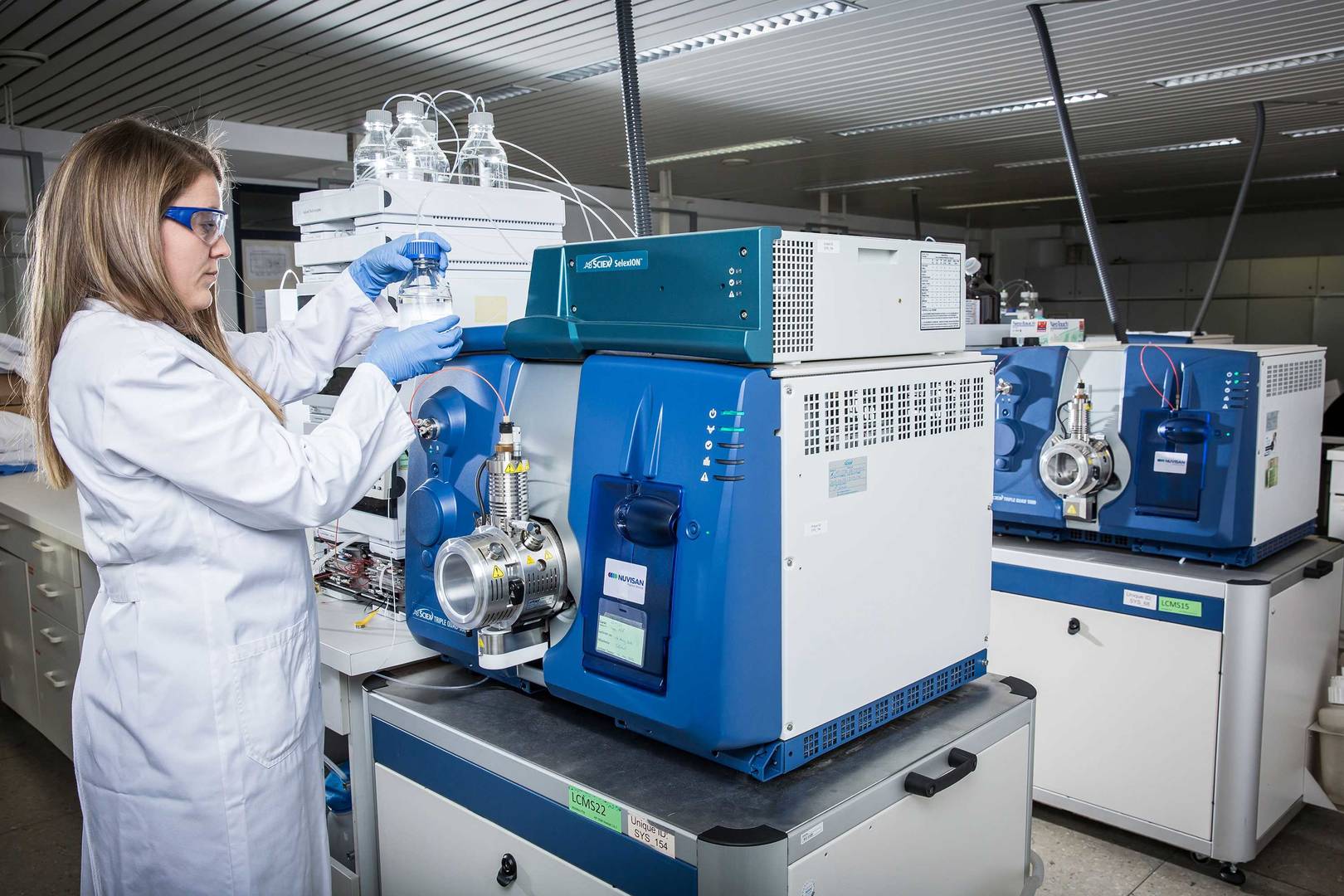
All assays are based on UPLC coupled with triple quadrupole and QTRAP mass spectrometry instruments. Nuvisan operates a large, standardised fleet of SCIEX API5500 and API6500 instruments.
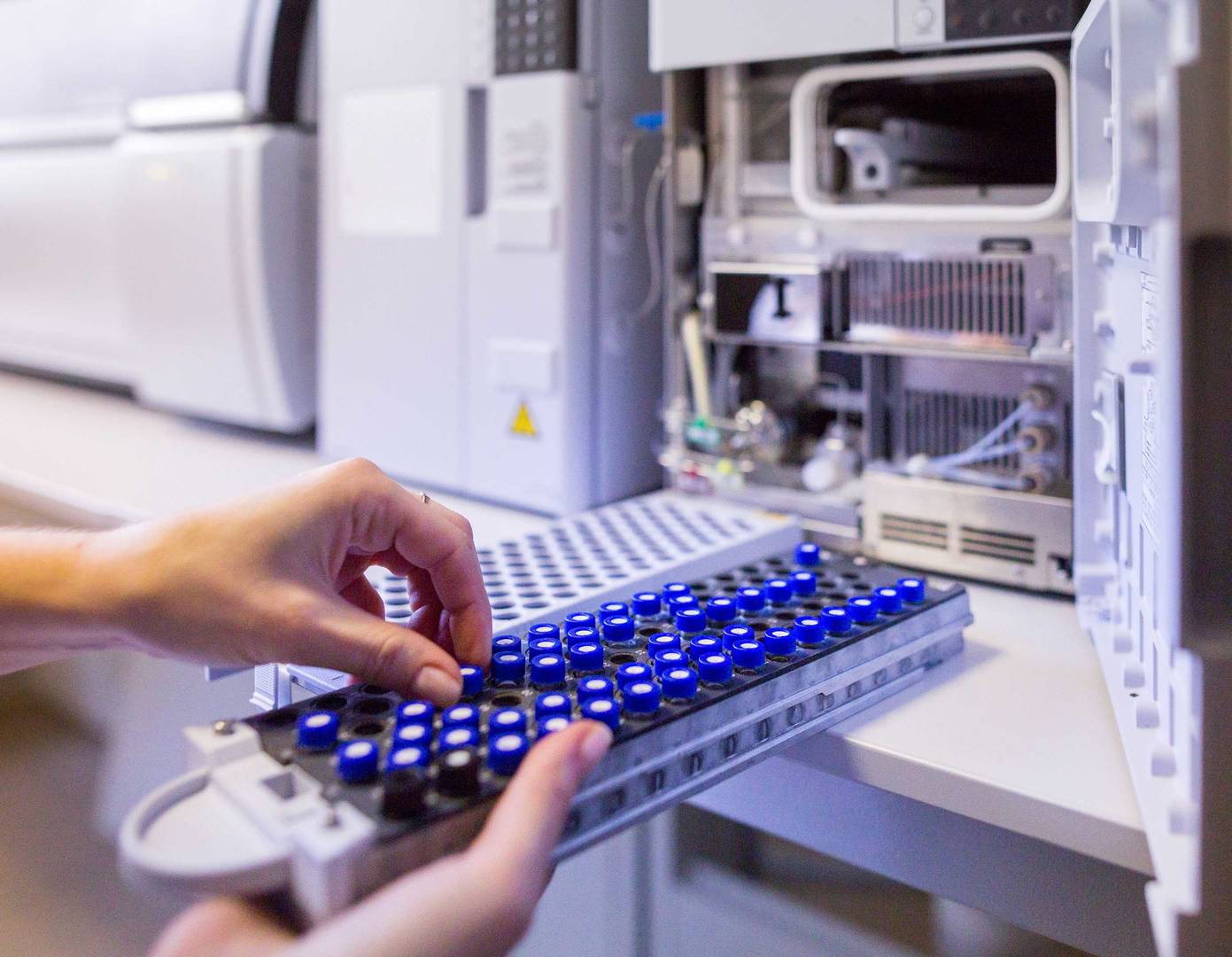
Assay development is based on UPLC to support efficient separation, with 2D configurations used where needed. The LC platform includes Agilent Infinity II and Waters Acquity systems.
















 Contact Us
 Search