Let's connect

Want to discuss your project or have any questions?

In vivo pharmacokinetics

Understanding the pharmacokinetics of your drug

The in vivo characterisation of drug candidates in rodent and non-rodent species to understand their pharmacokinetic (PK) behaviour is a crucial part of each non-clinical development program. This process helps guide subsequent pharmacology (efficacy) and safety studies
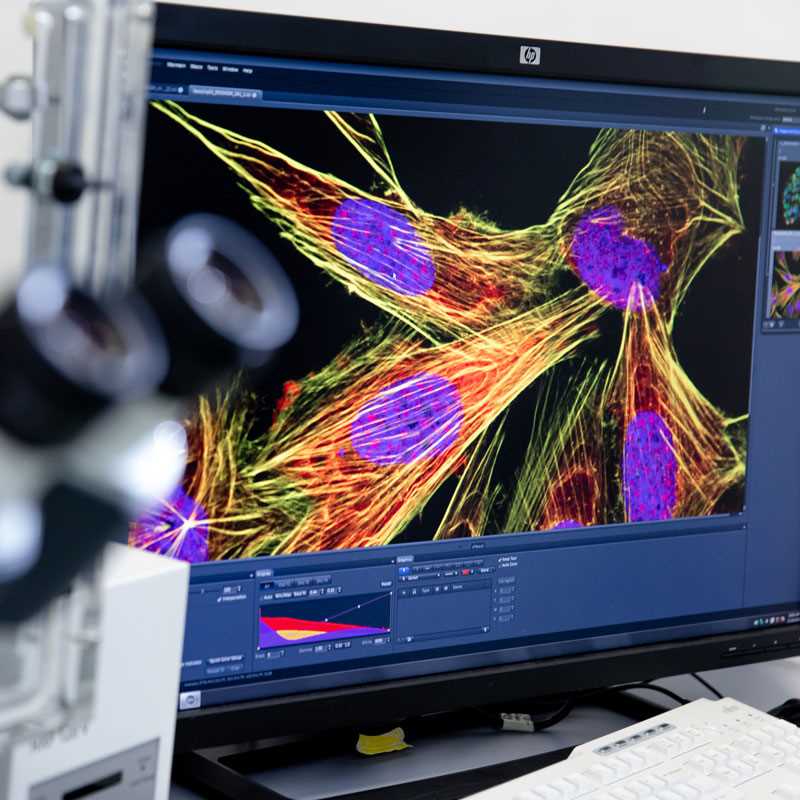
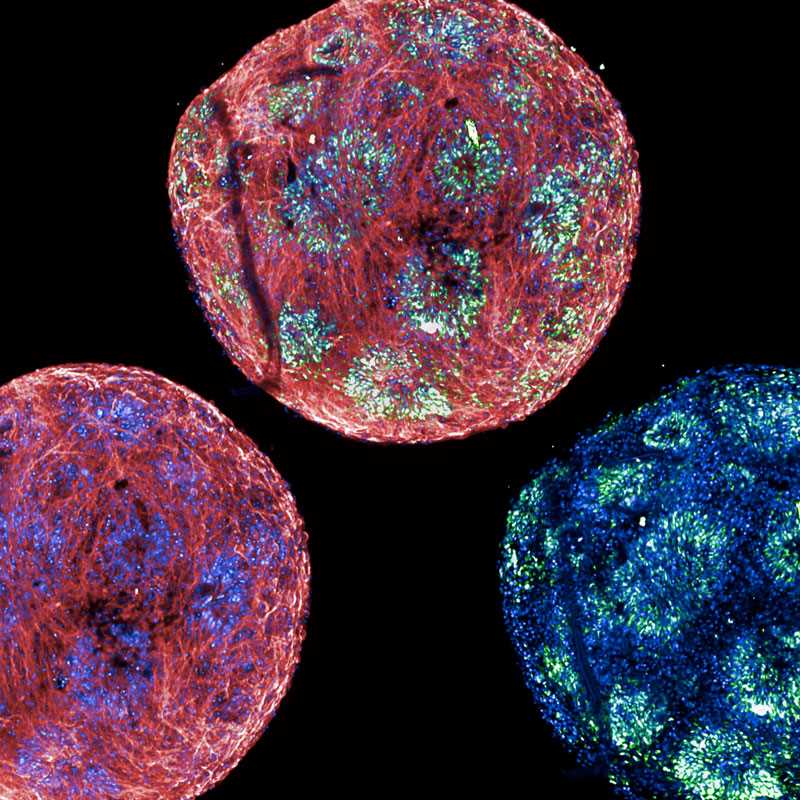
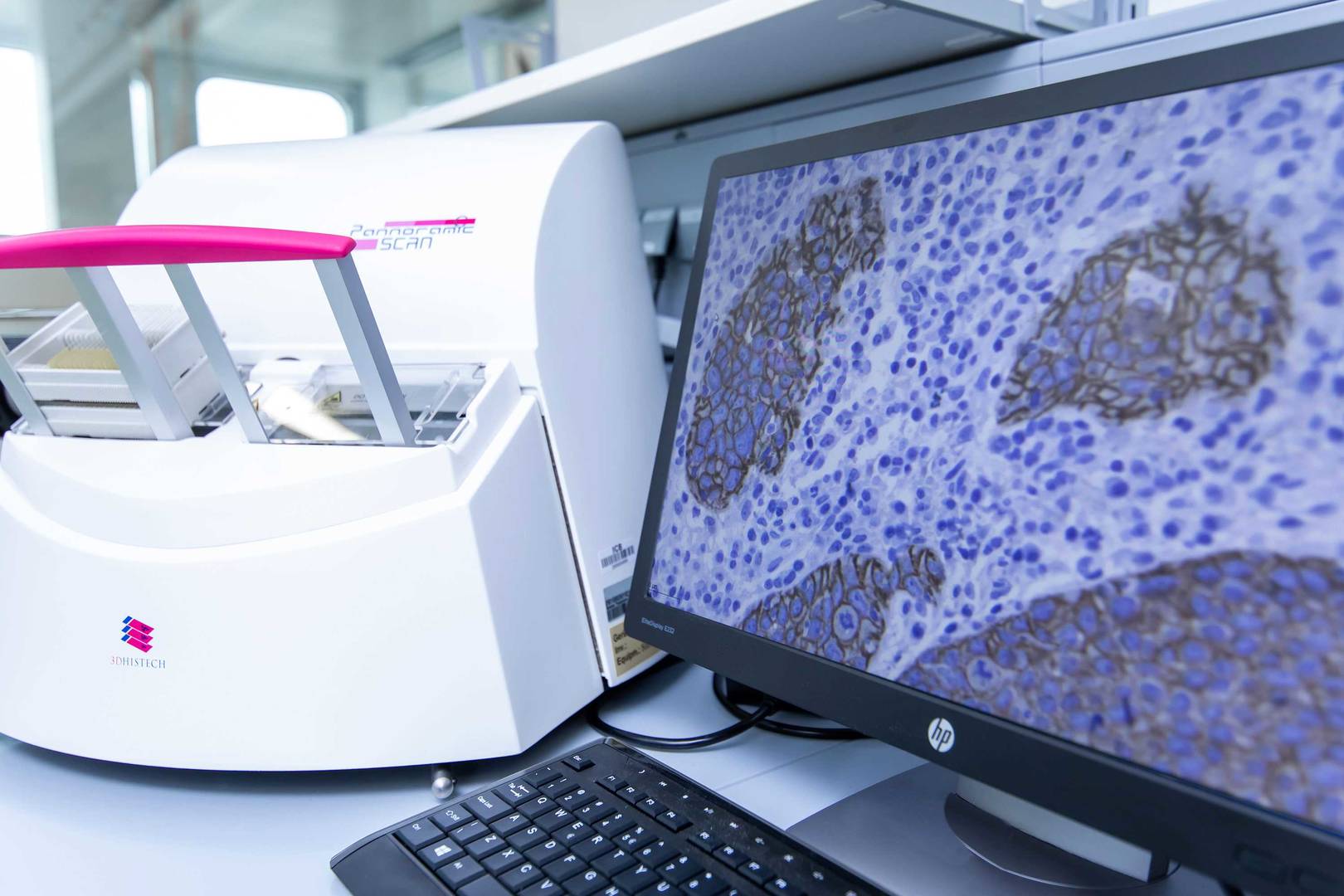
A computer screen showing histological microscopy image, auto imager in the background

PK in rodent and non-rodent species

Our comprehensive in vivo pharmacokinetic (PK) study portfolio supports a broad range of study designs across multiple animal species. Whether optimising compounds and selecting candidates through basic PK assessments or addressing complex, project-specific requirements, our experienced team determines and tailors an effective approach to meet your research and drug development objectives. By utilising serial microsampling techniques, we can generate complete PK profiles from individual animals, even in small species such as mice and rats, with or without excreta collection. Our analytical scientists are skilled in quantifying analytes across diverse biological matrices using advanced mass spectrometry techniques.

PK in genetically modified rodents

Genetically modified rodent models offer valuable tools for evaluating the in vivo roles of drug-metabolising enzymes and transporters and bridging species differences in drug metabolism and disposition using humanised mice. We conduct drug metabolism and pharmacokinetics (DMPK) studies in genetically engineered mice and rats as required to support your drug development efforts.

Species and routes of administration

We work with a variety of animal species, including mice, rats, dogs and genetically modified animals such as mice or rats. Our services encompass various routes of administration, including intravenous (bolus or infusion), oral, subcutaneous, intramuscular, intranasal, intraperitoneal and topical. Other routes of administration and multiple dosing are available upon request.

Formulation development and matrices

We specialise in the development, testing and comparison of different formulations for administration to ensure optimal delivery and efficacy. We analyse a wide range of biological matrices, including blood, plasma, serum, urine, faeces, bile, cerebrospinal fluid and various organs and tissues.

Reports

We deliver standardised or customised study reports based on your specific needs. Whether you require a format ready for upload to your internal database, an abbreviated report or a submission-ready regulatory document, our team delivers DMPK data in the format that best suits your requirements. Our goal is to provide high-quality data and insights to accelerate and enhance your drug development program.

Animal welfare

High standards of animal welfare that align with the 3R-concept and AAALAC accreditation are the basis of how we conduct our work.

Frequently asked questions (FAQs)

  • What does an in vivo pharmacokinetic (PK) study measure?
    An in vivo PK study measures how a drug behaves in a living organism over time. It looks at how the drug is absorbed into the bloodstream, distributed to tissues, metabolised and eliminated. 

    Key PK parameters derived from these studies include maximum plasma concentration (Cmax), time to maximum concentration (Tmax), area under the concentration–time curve (AUC), systemic clearance (CL), volume of distribution (Vd), half-life (t½) and bioavailability (F). These parameters help determine whether a compound achieves adequate systemic exposure to support efficacy and safety, inform dosing strategy and support prediction of human pharmacokinetics.
  • Which in vivo PK studies does Nuvisan offer and in which species?

    Nuvisan offers a wide range of in vivo PK studies to support both discovery and regulatory-stage development programs, including: 

    • single- and repeat-dose PK in rodents, dogs and non-rodent species 
    • bioavailability studies by intravenous and enteral administration 
    • PK in genetically modified rodent models, including transgenic models 
    • cassette dosing in one or more species 
    • radiolabelled mass balance and tissue distribution studies 
    • allometric scaling and cross-species PK comparison. 

    All studies can include various routes of administration, supported by in-house bioanalysis to help ensure efficient data integration. 
  • What is cassette dosing and when should it be used in PK studies?
    Cassette, or cocktail, dosing involves the co-administration of multiple compounds in a single study animal and the simultaneous measurement of each compound’s PK profile from the same samples. This approach reduces the number of animals required, accelerates screening of compound libraries and is well suited to early discovery work where relative PK comparison between analogues is needed rather than definitive standalone PK characterisation.

Contact us

Nuvisan is committed to protecting your privacy, and we'll only use your personal information to administer your account and to provide the products and services you requested from us. If you consent to us contacting you for this purpose, please tick below to say how you would like us to contact you:
You can unsubscribe from these communications at any time. For more information on how to unsubscribe, our privacy practices, and how we are committed to protecting and respecting your privacy, please review our Privacy Policy.

Talk to us

talk icon
+49 731 9840 0 

Our locations

location icon

Neu-Ulm (headquarters)

Wegenerstrasse 13

89231 Neu-Ulm

Germany

Berlin

Muellerstrasse 178

13353 Berlin

Germany

Sophia Antipolis

2400 route des Colles

06410 Biot

France

Grafing

Am Feld 32

85567 Grafing

Germany

Waltrop

Im Wirrigen 25

45731 Waltrop

Germany

For concerns about pharmaceuticals or adverse drug-related events, contact us at: complaints@nuvisan.com