Let's connect

Want to discuss your project or have any questions?

IND-enabling studies 

Enabling a smooth transition to the clinical stage

Our IND-enabling services provide comprehensive support for drug development. For in vitro and in vivo drug metabolism and pharmacokinetics (DMPK), we conduct absorption, distribution, metabolism and excretion (ADME) studies to thoroughly evaluate your compound's pharmacokinetics. In vitro toxicology support includes genotoxicity studies to de-risk your project at an early stage. By addressing regulatory requirements and optimising study designs, we streamline the pathway to successful IND filing. Our expertise helps ensure seamless integration into clinical evaluation, reducing risks and accelerating timelines for your compound's transition into human trials. 

Translucent pills containing blue and orange substances, showcasing a blend of colors within their clear capsules.

IND-enabling services tailored for your drug’s success 

Our DMPK team understands that every project is unique, so we offer tailored IND-enabling services specifically designed for your drug candidate. Unlike standard approaches, our customised studies can streamline development, reduce costs and improve the characterisation of your compound while helping ensure full regulatory compliance. This approach helps you move forward with confidence and precision in your drug development journey.  

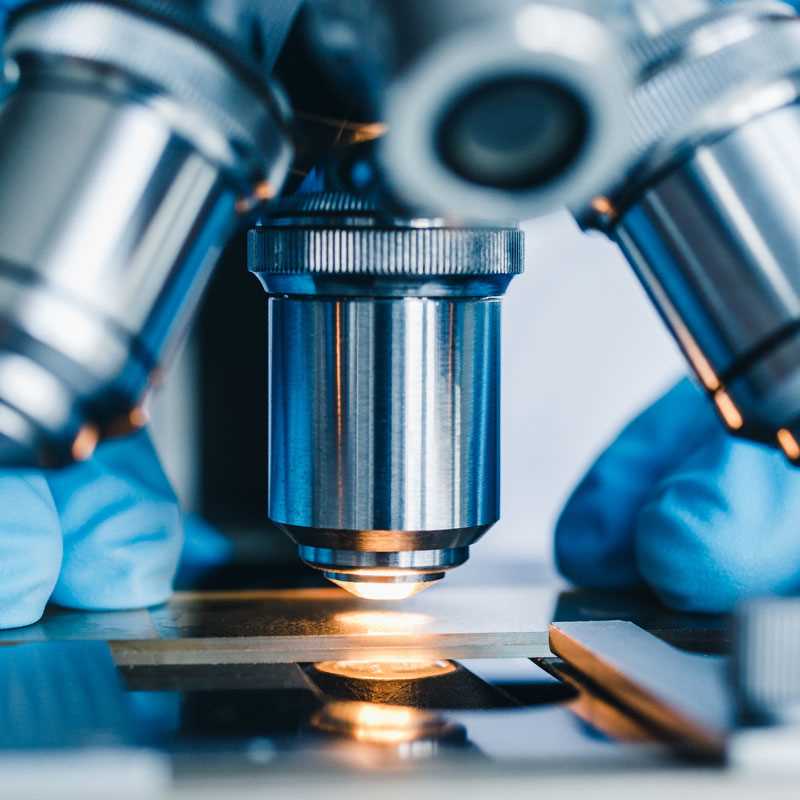
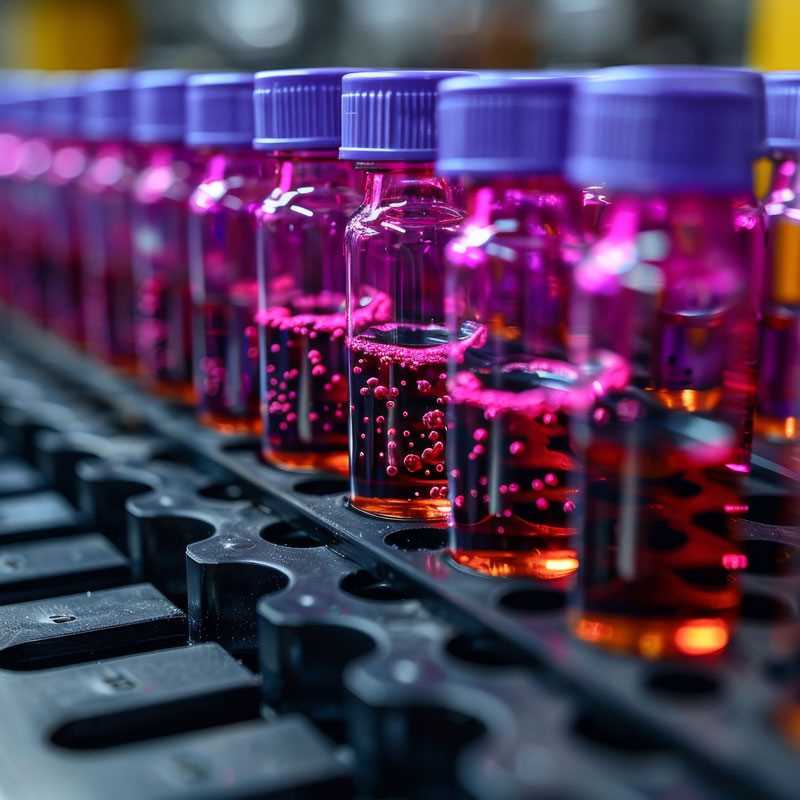
Microscopy slides and lab vials illuminated under a UV light, showcasing intricate details and vibrant colors.

Frequently asked questions (FAQs)

  • Which regulatory guidelines govern IND/IMPD-enabling DMPK studies?

    The primary regulatory framework includes: 

    • ICH M3(R2), which describes the non-clinical safety studies needed to support clinical trials and marketing authorisation 
    • ICH S3A and S3B, which address toxicokinetics and repeated-dose tissue distribution
    • FDA guidance on Metabolites in Safety Testing (MIST) 
    • relevant EMA and national guidance for IND- or IMPD-supporting packages. 

    The exact package depends on compound class, route of administration, intended patient population, duration of treatment and stage of development. 

  • Which DMPK studies are typically required as part of an IND/IMPD-enabling package?

    A typical IND/IMPD-enabling DMPK package may include: 

    • plasma protein binding 
    • blood-to-plasma ratio 
    • in vitro metabolic stability and metabolite identification 
    • CYP and transporter interaction studies 
    • PK and toxicokinetic studies in rodents and non-rodents 
    • metabolite profiling in toxicology species 
    • radiolabelled ADME or mass balance studies where needed 
    • human PK prediction and dose projection. 

    The final package should be tailored to the compound and development strategy. 

  • Is an IND/IMPD-enabling DMPK package standardised or tailored to each drug candidate?
    Every IND/IMPD-enabling DMPK program should be tailored to the individual drug candidate. Study selection depends on the compound’s properties, target indication, patient population, intended route of administration, treatment duration and regulatory context.

    Nuvisan’s approach is to design development packages that are scientifically justified, operationally efficient and aligned with regulatory expectations for the specific asset.

Contact us

Nuvisan is committed to protecting your privacy, and we'll only use your personal information to administer your account and to provide the products and services you requested from us. If you consent to us contacting you for this purpose, please tick below to say how you would like us to contact you:
You can unsubscribe from these communications at any time. For more information on how to unsubscribe, our privacy practices, and how we are committed to protecting and respecting your privacy, please review our Privacy Policy.

Talk to us

talk icon
+49 731 9840 0 

Our locations

location icon

Neu-Ulm (headquarters)

Wegenerstrasse 13

89231 Neu-Ulm

Germany

Berlin

Muellerstrasse 178

13353 Berlin

Germany

Sophia Antipolis

2400 route des Colles

06410 Biot

France

Grafing

Am Feld 32

85567 Grafing

Germany

Waltrop

Im Wirrigen 25

45731 Waltrop

Germany

For concerns about pharmaceuticals or adverse drug-related events, contact us at: complaints@nuvisan.com