Understanding drug bioavailability and distribution
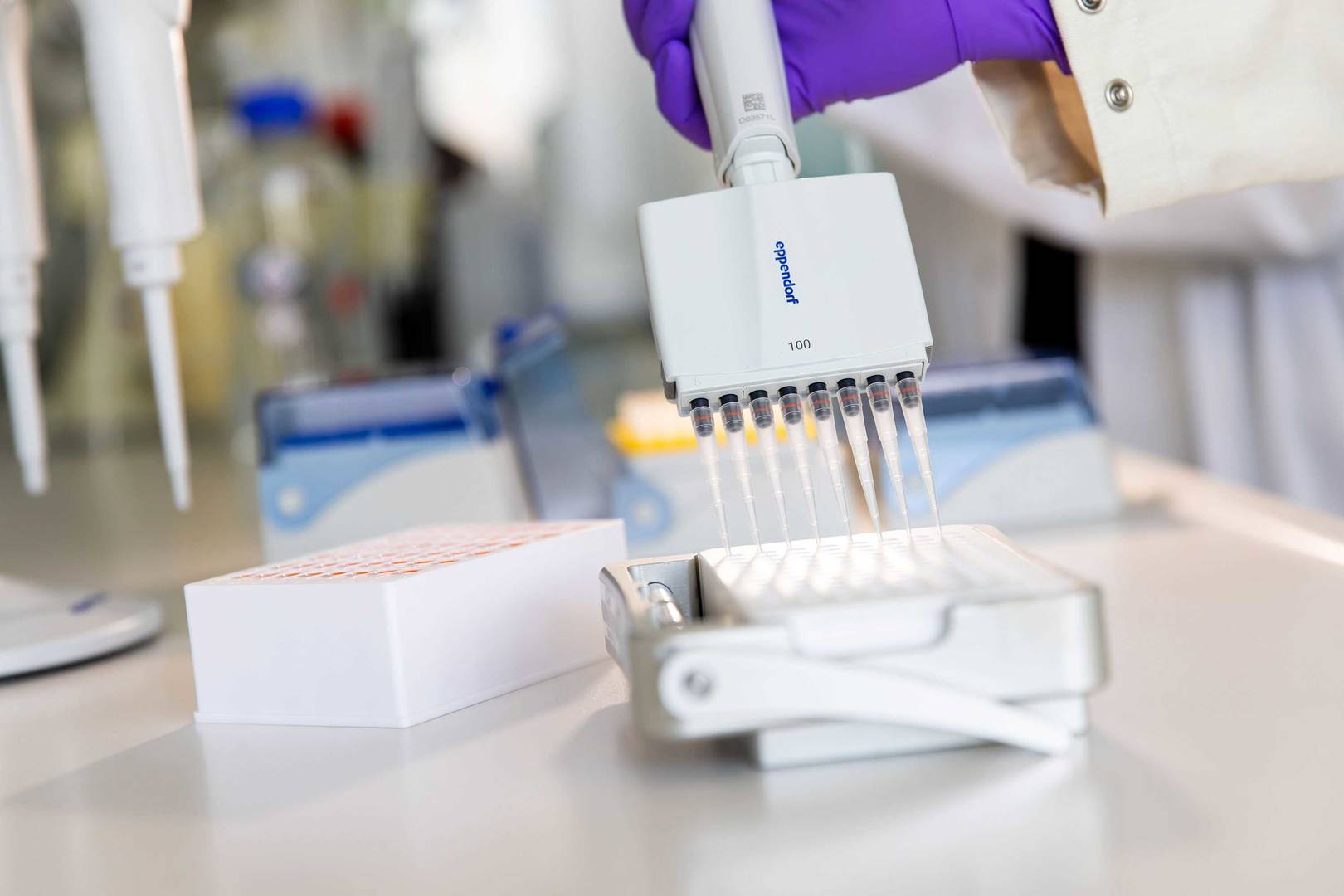
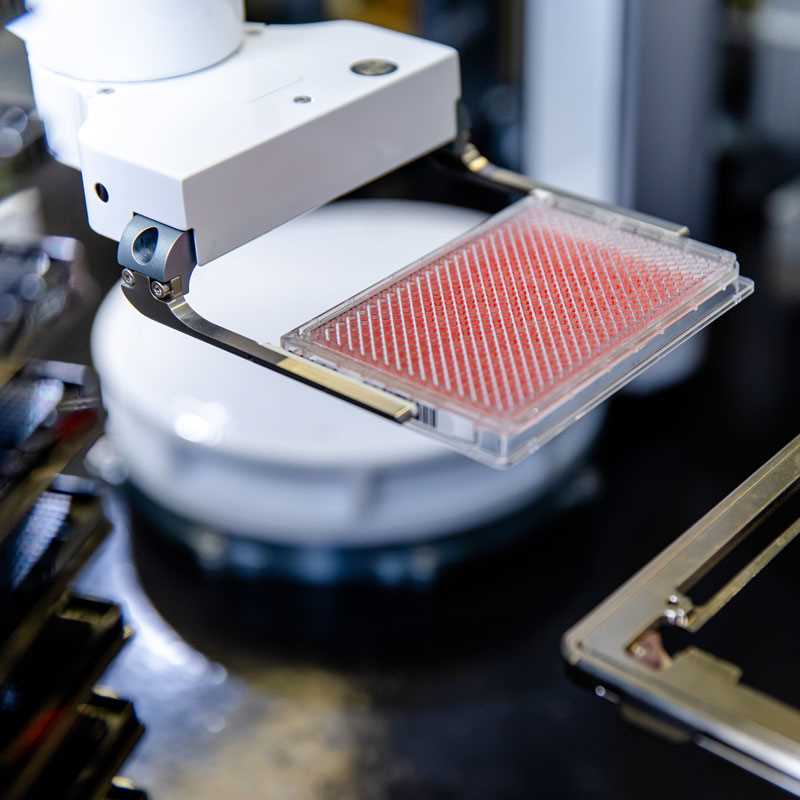
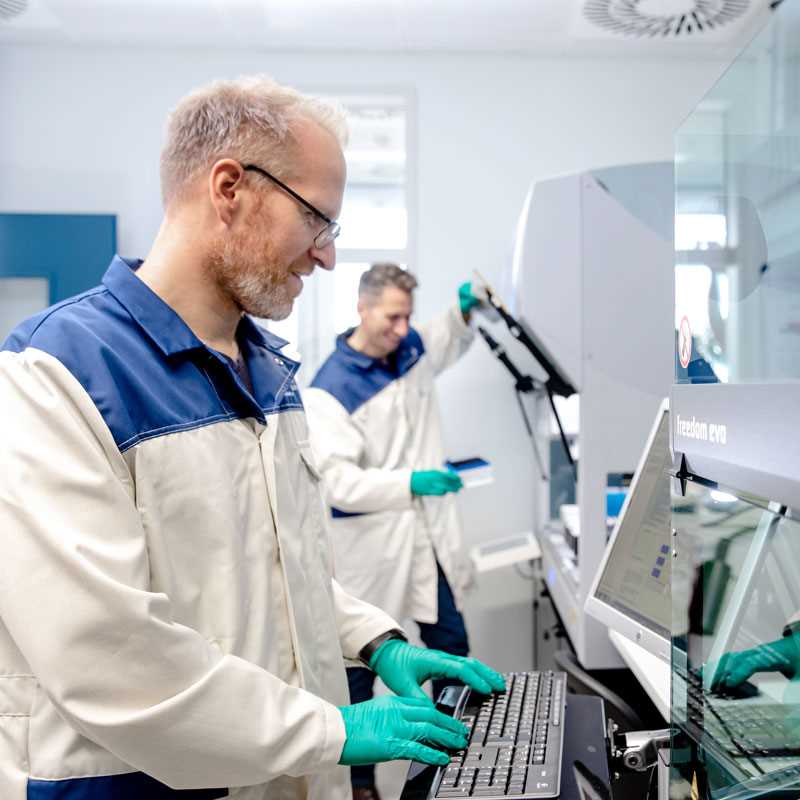
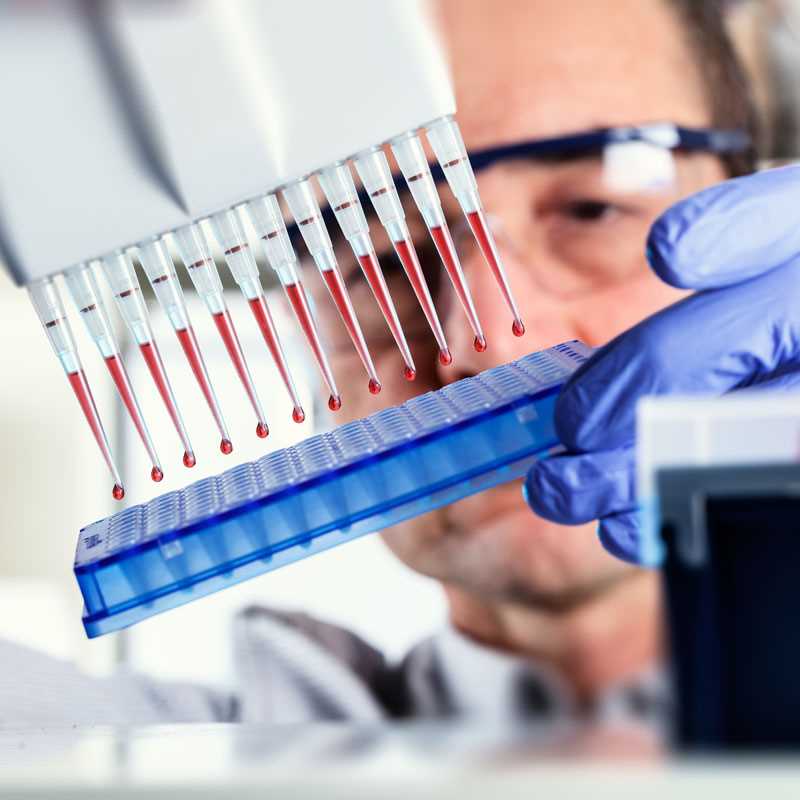
In early drug development, plasma protein binding and whole blood distribution are crucial for understanding a drug’s pharmacokinetics and optimising its therapeutic profile. It is generally assumed that only the unbound drug can be transported across membranes and undergo absorption, distribution, metabolism and excretion (ADME) processes. Plasma protein binding is essential for understanding pharmacokinetic behaviour, pharmacological/toxicological effects and estimating the therapeutic window. We determine the binding of drug candidates in plasma from humans or animal species, using in vitro assay media by equilibrium dialysis. We can also evaluate the fraction of unbound drug in tissue homogenates, such as brain or tumour. Two assay systems – RED and HT-dialysis – are available. Additional parameters, such as compound stability in plasma, non-specific binding to device components (recovery) and equilibrium formation, can be included in the high-throughput, partially automated assay. High plasma protein binding can limit a drug’s efficacy and complicate dosing strategies, especially in patients with altered protein levels due to disease.
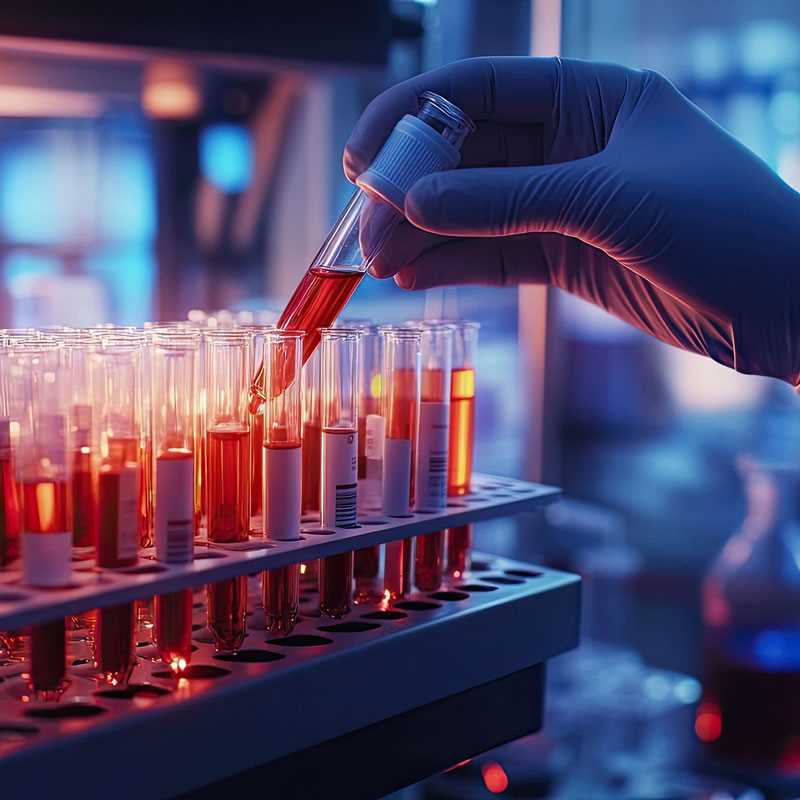
Whole blood distribution, referring to how a drug partitions between plasma and blood cells, is equally important. Drugs that preferentially bind to blood cells may have reduced bioavailability or altered efficacy. Early assessment of both plasma protein binding and blood distribution helps predict the drug’s therapeutic window and potential side effects, and guides decisions on compound optimisation, dosing and safety profiles in clinical trials. This data can be used to scale from in vitro to in vivo clearances, allowing for an estimation of hepatic first-pass extraction from plasma clearance.
Both in vitro distribution studies are conducted with unlabelled small molecules using liquid chromatography-tandem mass spectrometry (LC-MS/MS) for bioanalysis.




















 Contact Us
 Search